
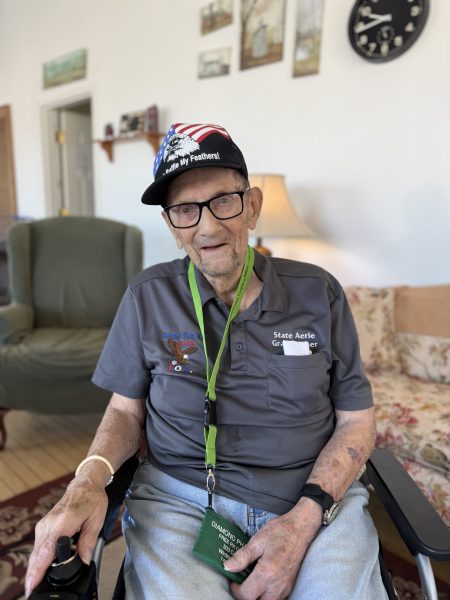
The first thing Wayne Hill will tell you is this. “I was never on the Mayflower,” At 99 years old, this man has an incredible story that was brought to our attention to share with the community.
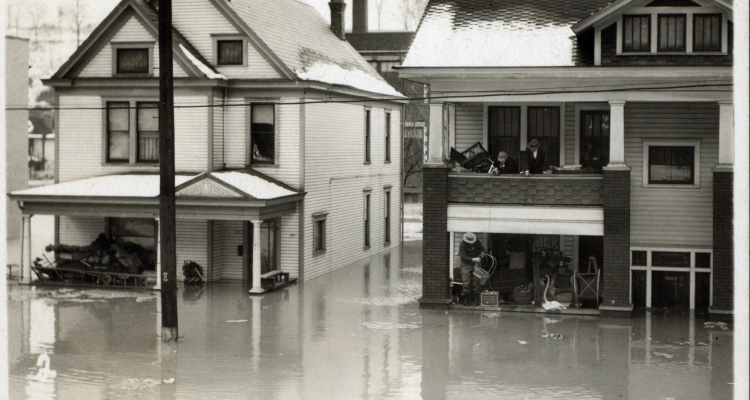
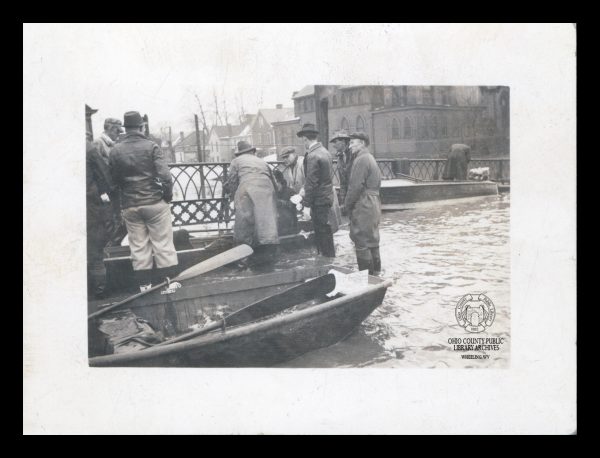
But what he was on, as a young boy growing up on Wheeling Island, was a small wooden rowboat in the middle of one of the worst natural disasters the city has ever seen, the Flood of 1936.
Before the Flood
Leslie Wayne Hill, who goes by Wayne, was born in 1927 and grew up at 428 South Broadway Street on Wheeling Island in a four-apartment building owned by Ben Lipshur, a bail bondsman he remembers simply as a nice man. Flooding, he said, was something people were used to. “In those days, floods were common.” But this one was different.
Before the water rose, he remembers watching the river carry things past. Rocks and bricks, drifting by. His father had gone out that day for work, delivering butter throughout Wheeling from the Norman Warehouse in South Wheeling.
Later that evening, roads were blocked. Water was rising fast. Wayne and his mother were still inside their apartment as the river crept higher and higher, eventually reaching nearly 50 feet. “All the people’s belongings from up the river,” he remembered, “would come floating by.”
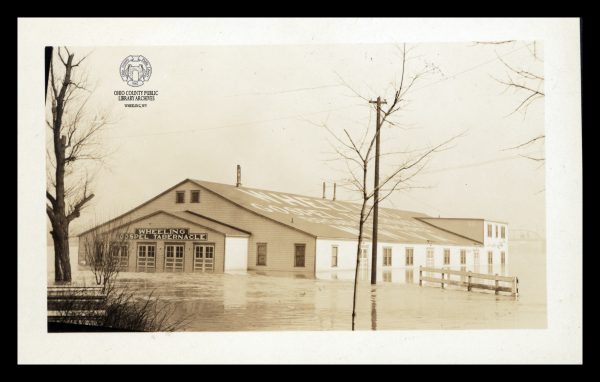
As the situation worsened, his mother turned to the one thing she trusted most. She sat listening to church services on WWVA, 1160 on the radio dial, broadcast from the Wheeling Tabernacle. “Don’t worry. Don’t worry,” she told him, even as the electricity began to fail in their apartment.
The Night of the Rescue
Then came a pounding on the side of the building. A man in a boat.
Wayne climbed into the boat with his mother. Before they started off, his mother said, “I’ll be right back” and went back into the house. She came back and they were about to head out. But first, the man asked, “I’m tired. Would you mind if I had a drink? A slug or two?” Wayne remembers the glass bottle tucked inside a suit jacket. His mother answered simply, “If you think you need it, go ahead.” The man took a long swig and started rowing to get them to safety.
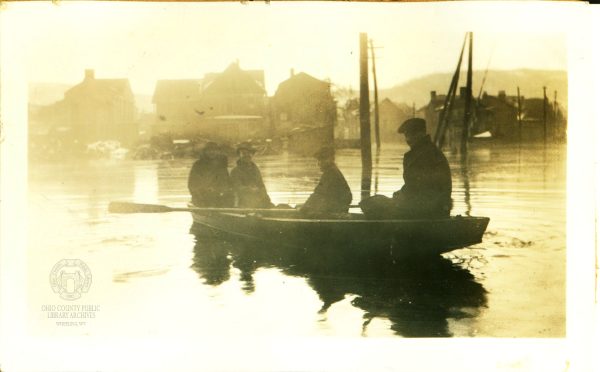
When they reached Steel Bridge, there was a crowd waiting. Red Cross workers, volunteers, people watching and helping pull them out of the water. And there, on the bridge, was his father. Wayne remembers telling him, “I hope I never see a boat again.”
Years later, Wayne asked his mother something that had always stayed with him. During the rescue, she had run back into the apartment for just a moment before coming back down. Why? She told him she went to get her hat. She knew they were going somewhere unfamiliar and would be surrounded by strangers. She wanted to be presentable.
What Stayed With Him
The flood did not end when the water receded. It took time to clean up and rebuild. Wayne remembers dogs disappearing during the flood and slowly returning days later, including his own dog, Tiny. He remembers his brother coming home with a kerosene stove because they were being handed out. He remembers the rubble piled so high that parts of the city were unrecognizable.
Eventually, the family moved, first to Warwood, then to other parts of Wheeling. Wayne’s life stretched far beyond that moment on the water. He attended Wheeling High School on Chapline Street and later joined the Navy, even though he laughs that he could never pass a swim test from the moment he went in to the moment he came out. He worked for decades at Reichert’s warehouse, at a gas station, delivering biscuits, and working for Standard Tire. He lived on Wheeling Island, in Warwood, in Elm Grove, and in Bridgeport. He watched the city change over time.
Through it all, the memory of the flood stayed with him. “Floods,” he said, “you don’t get used to having them.”
Today, Wayne lives at the Carnes Senior Apartments in Bellaire. At 99, he reflects on a life shaped by his work, family, and one unforgettable flood that he remembers so visibly even to this day.
“Happy to be here.” Wayne said. He also said that he would love to sit down with anyone who might also have memories to share.