
Before a single child walks through the classroom door, a teacher has already made a hundred decisions.
Where should this table go? What belongs within reach of small hands? Where will children gather, and where might they retreat? Which materials should be waiting for them and which spaces should be left waiting on them? What might catch the light, invite a question, or begin a story?
For Liz Hladek, those decisions have filled the final weeks of summer. Liz has taught at Wheeling Country Day School for 15 years, beginning in Preschool and spending most of her time in Junior Kindergarten. Part of WCDS’s Early Childhood program, Junior Kindergarten, generally serves children around four and five years old, with experiences designed to meet children where they are developmentally and give them room to grow from there.
Liz shares the classroom with her co-teacher, Gina. Together, they’re preparing a space for children they haven’t quite gotten to know yet and knowing from the beginning that those children will ultimately help shape what it becomes.
Before They Arrive
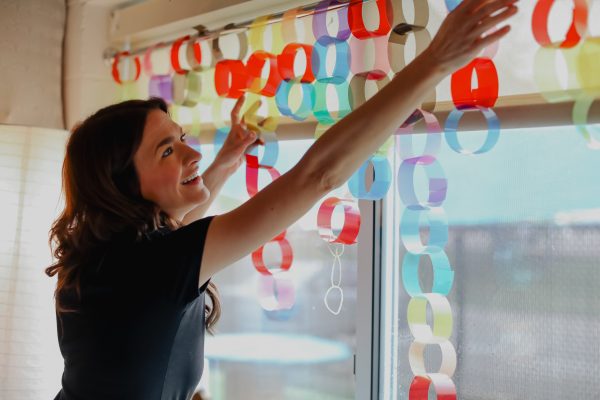
Liz and Gina began preparing nearly two weeks before faculty officially returned to campus. Having much of the physical work accomplished early gives Liz time during professional development week to focus on families, colleagues, and her additional leadership role in Early Childhood.
“It just makes me feel good for us to have the space mostly ready to go,” she says.
But preparing the classroom isn’t really about decorating it. Liz is thinking about light and movement, where children might gather, what they might reach for and what could spark their curiosity. She is also resisting the urge to fill every shelf and corner.
After all, they don’t know this year’s children yet. Their personalities will tell the teachers what they love.
That idea is central to the Reggio Emilia-inspired approach woven throughout WCDS’s Early Childhood program, where children are viewed as capable and curious participants in their own learning. The philosophy is closely associated with Italian educator Loris Malaguzzi’s Hundred Languages of Children. It’s the idea that children have countless ways of communicating, creating, questioning and making meaning.
They draw and build, move and pretend, talk and listen. They create with light and shadow, manipulate materials and turn ordinary objects into something an adult may never have imagined.
There is something fitting about the hundred decisions happening before school begins. Before Liz and Gina discover this year’s children’s hundred languages, they are making a hundred little choices to give those languages room to emerge.
A Home Away From Home
Walk into the “JK” classroom and one of the first things you notice is how the room feels.
For children who will spend so much of their day there, they want it to feel like a home away from home: cozy, comfortable, inviting and eventually unmistakably theirs.
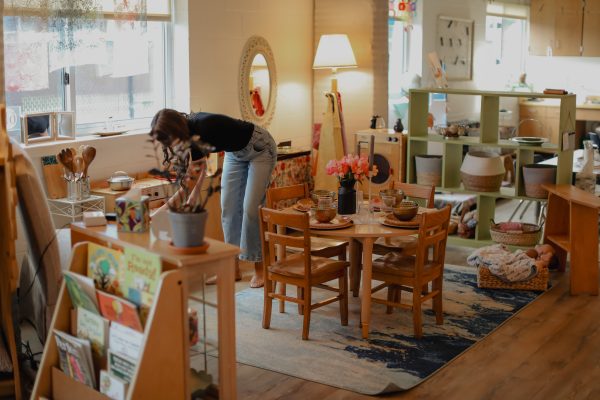
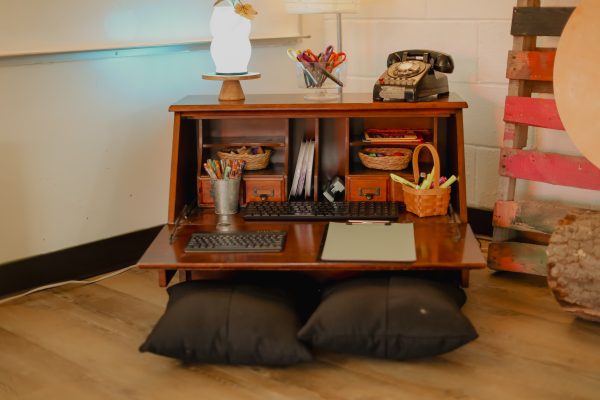
Warm lamps and soft lighting fill the room. Rugs, pillows and fabrics add texture. Wood, metal, glass and natural materials sit in baskets, wooden boxes, jars and containers within children’s reach. Tables and chairs don’t necessarily match.
Many pieces have been collected over time. Some thrifted finds, hand-me-downs, yard and estate sale treasures, Marketplace discoveries or something spotted on the side of the road and seen with new eyes.

“When you see something, you just have to grab it and add it to your collections,” Liz says.
The room isn’t purchased as a matching set. It is slowly curated, giving the space a character entirely its own.
In Reggio-inspired practice, the environment is often described as another teacher. A thoughtfully placed material can invite a child to pick it up, move it, combine it with something else and wonder: What could this become?
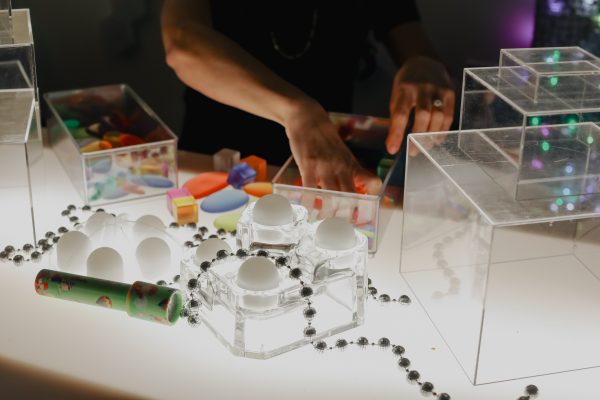
Liz’s sensory area, for example, has evolved over years. This summer, textures, magnetic surfaces, drawing, light and color came together in a way that finally feels right.
“If things don’t work, we adjust throughout the year,” she says. “And that is part of the beauty about it all.”
Letting Children Change the Plan
Last year’s children have already influenced this year’s classroom.
A small treehouse is built into the room, and last year children repeatedly carried materials from the nearby dramatic-play home area into it, connecting two spaces the adults had arranged separately.
This summer, Liz moved the home area closer.
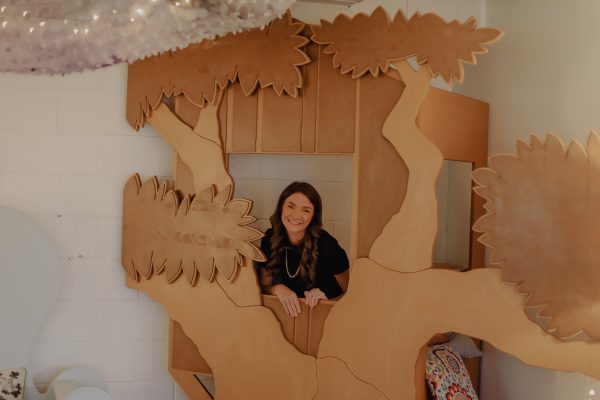
Maybe this year’s children will connect them, too. Maybe they’ll do something completely different.
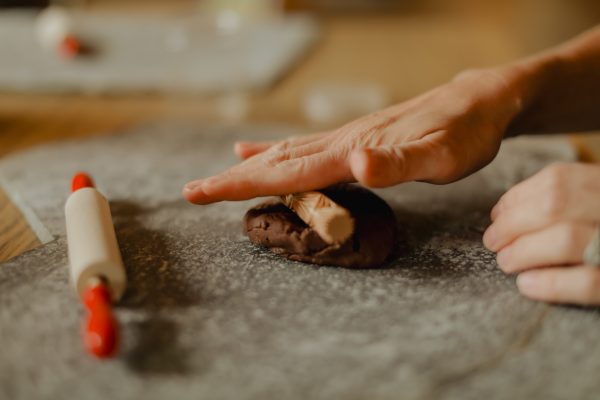
That freedom extends to materials. Liz talks about “transference” which is allowing children’s ideas to travel throughout the room. Dough rolled into pretend muffins might need to make its way to the kitchen. A block from one area may be exactly what a creation across the room needs.
For adults, the instinct can sometimes be to say “that doesn’t belong there.” Children are often more interested in asking “but what if it did?”
“You do have to be open to the chaos,” Liz says.
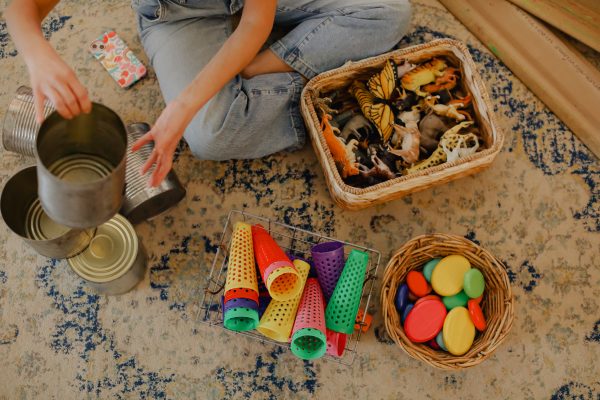
Even cleanup becomes part of that process. Liz and Gina model and narrate how to care for materials, and children gradually learn the rhythms of their shared space. But if a child has spent an afternoon building something meaningful, it may remain there overnight.
The day may be finished. The idea doesn’t have to be.
Two Teachers, Two Perspectives
Liz describes herself as the creative thinker, often imagining what an object, space or idea could become. Gina brings a more logistical and pragmatic perspective, helping turn those ideas into something that works within the everyday rhythm of a classroom.
That balance is part of the value of co-teaching in WCDS’s Early Childhood classrooms. Beyond a strong adult-to-child ratio, children have two educators observing, connecting and bringing different strengths to the room.
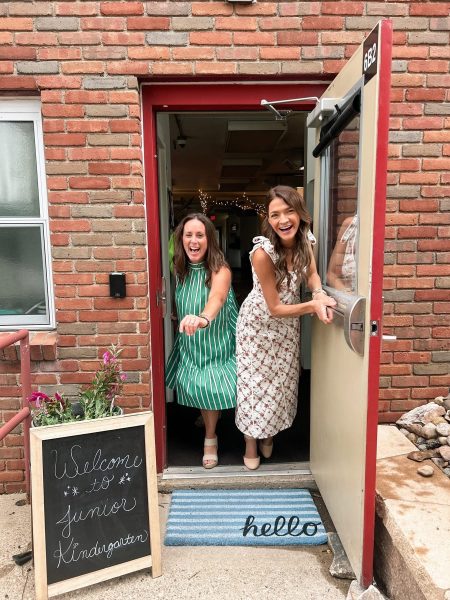
In a classroom built around the idea that there are many ways to think, create and communicate, it seems fitting that the adults don’t all think exactly alike either.
Following Their Lead
Over the years, different groups of children have led Liz and her co-teacher into explorations of dinosaurs, germs, museums, a bake shop and plenty of places they couldn’t have predicted on the first day.
One particularly dramatic group became fascinated with theater. Their teachers followed that interest, and what began in play grew into a production involving set design, costumes, Foley sound effects and an audience.
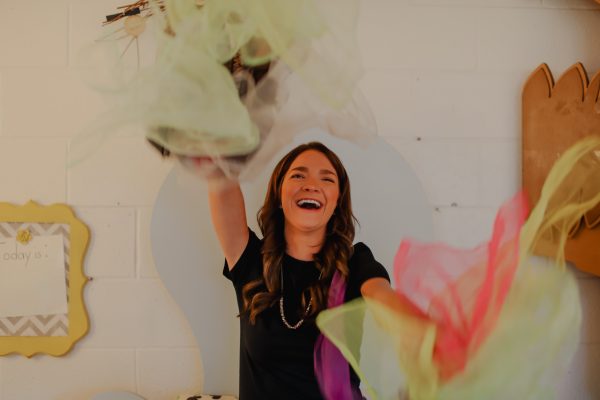
The magic wasn’t simply that young children put on a play. It was that their teachers noticed what interested them and gave that interest somewhere to go.
Sometimes those moments are much smaller. Liz loves when a conversation suddenly connects to a child’s own life or experience and you can almost see understanding click into place.
“The children inspire me the most,” she says. “They light me up.”
For a short time, Liz stepped out of the classroom and into more of a leadership role. She missed teaching enough that when the opportunity arose to balance both, she found her way back.
Before the Door Opens
There is so much about teaching that families, and the rest of us, may never see: hours spent preparing before the first day, furniture moved and moved again, materials collected one by one over years, conversations between co-teachers, and memories of last year’s children quietly influencing decisions for the next group.
There is also the restraint required to leave something empty and to prepare without predetermining.
Maybe that is one of the quietest acts of love in teaching: putting so much thought into creating something for people you haven’t even met yet, while knowing from the beginning that they are going to change it.
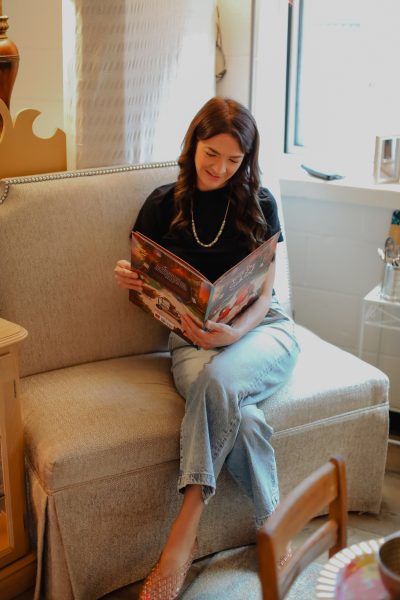
Because before the first day, teachers can make a hundred decisions about what a classroom might become. Then the children arrive with their one hundred ideas, their one hundred questions, and their one hundred ways of seeing, building, speaking, pretending, wondering and understanding.
The teachers’ job is never to decide exactly what the children would say with their one hundred languages. It is to create a place where they would feel safe enough, curious enough, and known enough to begin.