
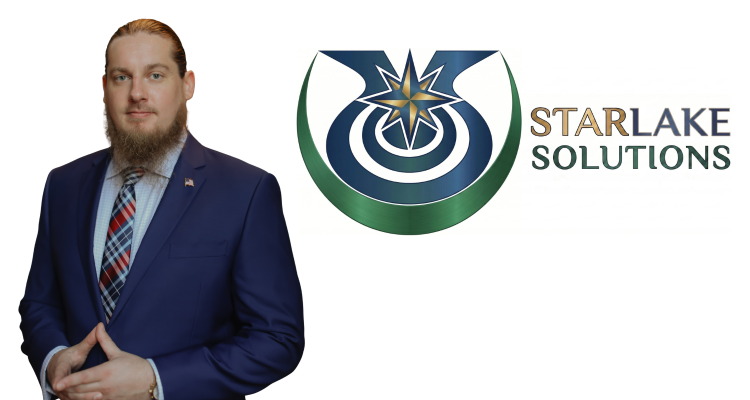
Born in Wheeling and raised in Moundsville, Steve Lavenski’s pathway back home was anything but direct. With the support of his family, he “wondered” his way from our local classrooms into the global headquarters of Fortune 500 companies. He worked across many industries and countries before ultimately landing back home with a new perspective on life and many ideas on how businesses and communities can achieve positive change by working smarter together.
Now, having founded StarLake Solutions, Lavenski is helping local businesses achieve operational excellence. Not with quick fixes, but with a heavy focus on the foundational components of work. This, combined with the power of novel technologies, improves the flow of complex business processes. His holistic approach, with a people-centric emphasis, unlocks new opportunities for business leaders to empower their teams and reward their workers, the lifeblood of any organization. Steve believes a workforce that feels appreciated will operate more efficiently while also being more effective at delighting customers. In return, increased customer satisfaction generates loyalty and recurring business, fueling organic revenue growth.
A Career Built on Curiosity
After graduating from John Marshall High School, Lavenski went on to West Virginia University, where he earned a magna cum laude degree in Industrial and Management Systems Engineering. His engineering degree opened the door to a 15-year career as a management consultant based out of Pittsburgh.
His work as an engineer involved traveling to 20 different states and even beyond the American border. Italy was his favorite international stop, but it was the exposure to different industries, systems and work cultures that left the biggest impression.
“I’ve always been curious,” he said. “I like understanding how things work, and then drill down into the root causes of why they don’t work as expected.”
That mindset became the foundation of his approach. Not just solving problems, but digging deeper to understand what is actually causing issues, then working with both business leaders and front-line workers to develop innovative solutions.
Re-Starting With a New Purpose
In April of 2025, Lavenski “wondered” back to his birthplace of Wheeling and started a new, yet familiar, chapter in life.
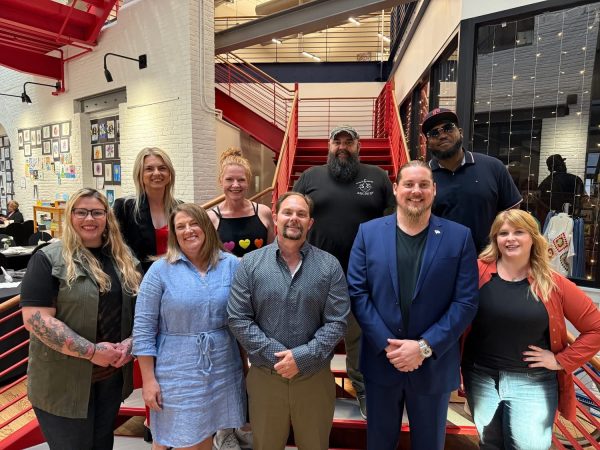
He joined the CO.STARTERS program through Wheeling Heritage and Regional Economic Development Partners (RED). He credits the program’s leadership, teachers, guests and classmates for helping him reconnect with the potential and beauty of the Ohio Valley. Their influence, along with the unique perspectives and experiences of the cohort, gave him the confidence to refine his business offerings, cultivate a local network and connect with business leaders across the region.
Like many entrepreneurs, the beginning stages required patience. Much of his early time was spent testing ideas, validating results and learning what resonated. Lavenski has pivoted at times, but now feels his business is moving in the right direction.
“There was a lot of trial and error at first,” he said. “But now it feels like things are starting to build.”
Looking at the Bigger Picture
At its core, StarLake Solutions is grounded in one simple idea: businesses work best when you understand how all the pieces fit together.
Lavenski approaches each organization with a “whole to part” mindset. Instead of focusing on one issue at a time, he looks at the full picture of how people, processes, technology and work environments interact to deliver value.
A big part of that comes down to asking better questions.
“The ‘5 Whys’ is a methodology I use a lot,” he said. “You just keep asking why about a specific problem until you get to the root cause. Most of the time, the first answer isn’t the real issue.”
This thought process often uncovers challenges that are not immediately obvious. By identifying root causes rather than surface-level symptoms, business leaders can develop lasting solutions and create systems that improve long-term performance.
Fixing the Foundation First
One of the biggest lessons Lavenski brings from his consulting background is that technology alone is not the answer.
“Most digital transformations fail because companies try to layer new software onto broken processes,” he said.
Instead, his work starts with understanding how a business actually operates, not on paper, but through direct observation. What is working, what is not, and where things are breaking down. He compares his first meeting with a client to a doctor’s visit. The goal is to identify pain points, trace them back to the source and develop a remedy.
In an early project with an outdoor recreation destination, something as simple as organizing the workplace led to meaningful operational improvements. Work tasks were taking longer than expected, communication gaps were creating a reactive culture and job expectations were not always aligned. The solution was not immediate digitization. It was structure.
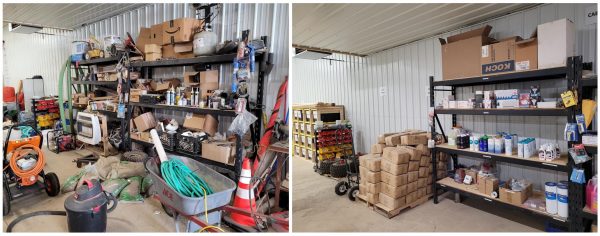
A maintenance workspace that had gradually become a catch-all storage area was reorganized and refocused around the needs of the team. Creating a more organized environment helped establish workplace safety, clearer expectations, improve morale and support a stronger sense of ownership among employees. Over time, these foundational changes contributed to increased productivity and a healthier workplace culture.
The changes were noticeable to the people doing the work every day.
“I can breathe easier, work safer, find things quicker, and stop buying supplies we already have in the shop,” said a maintenance worker.
Small Changes, Big Impact
Lavenski often begins with foundational improvements, including workplace organization, work measurement and work design. From there, armed with observational insights, he helps business leaders develop a longer-term strategy. For one client, this included a three-year strategic roadmap focused on strengthening core operations before introducing new technologies.
This incremental approach of small changes over time often leads to lasting impact. A major shift in organizational culture, such as moving from reactive maintenance to preventive maintenance scheduling, requires ongoing collaboration between leadership and workers.
People Matter Just as Much as Process
While his work is rooted in systems engineering, Lavenski emphasizes the importance of the people using those systems. He is currently pursuing a master’s degree in Engineering Management at Marshall University, where organizational behavior has become one of his favorite areas of study.
One of the biggest takeaways?
“You can’t force change on people,” he said. “You have to understand the strengths of individual team members and clearly communicate new expectations in order to enhance team synergy, and then you reward high performance.”
That perspective shapes how he approaches continuous improvement in the workplace. Sustainable change comes from aligning systems with people, not the other way around. Employee feedback is essential because it helps ensure improvements are adopted across an entire team rather than by only a few individuals.
Lavenski believes strong communication is central to a healthy workplace culture. When employees are invited into the process and encouraged to share feedback, organizations are better positioned to achieve meaningful and lasting change.
Building Toward Something Bigger
For Lavenski, the work goes beyond individual businesses. It is about contributing to the future of the Ohio Valley and helping the region reach its full potential.
He has plans to grow StarLake Solutions in a way that creates new opportunities for others, particularly young professionals and aspiring engineers looking to build careers locally. He envisions an advantageous connection between people and technology that benefits the region as a whole.
“We have an opportunity to re-imagine what work looks like here,” he said.
A Return with Purpose
As Wheeling continues to evolve, stories like Lavenski’s reflect a broader shift. People are coming back, bringing new ideas and finding ways to apply them locally. For Lavenski, it is not about recreating what he saw elsewhere. It is about using those experiences to build something that works here and ultimately helps the Ohio Valley move forward, one process step at a time.